Review: Colorful Acoustic Guitar Embroidery Design
As an embroidery designer who has spent years digitizing and stitching for boutique apparel brands, I approach every new machine embroidery design with a critical eye. It is not just about whether the image looks cute on a screen; it is about how that digital embroidery file translates into a tangible, high-quality finished product. Recently, I had the opportunity to evaluate the Colorful Acoustic Guitar Embroidery Design for an upcoming limited drop of premium sweatshirts. This review breaks down exactly how this asset performs in a real-world commercial setting, specifically for small shop owners and Etsy sellers looking to elevate their music-themed merchandise.
First Impressions and Aesthetic Mood
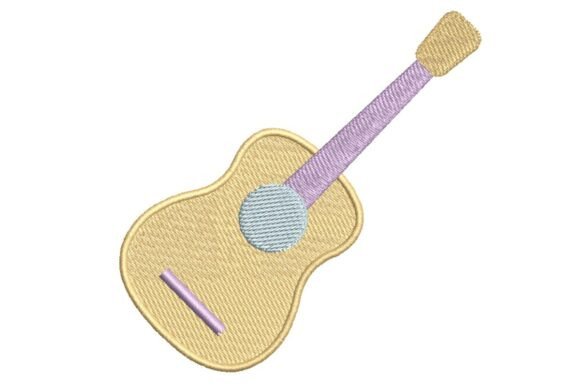
Upon loading the preview, the immediate impression of the Colorful Acoustic Guitar Embroidery Design is one of warmth and approachability. The description promises a "soft and inviting color palette," and the visual delivery matches this perfectly. Unlike aggressive rock-and-roll graphics that rely on high-contrast blacks and neons, this design leans into a rustic, cozy aesthetic. The body of the guitar, rendered in a warm, textured light brown or beige, suggests a vintage feel that pairs exceptionally well with current fashion trends favoring earth tones and nostalgia.
The stylized nature of the guitar means it avoids getting lost in excessive detail, which is crucial for sweatshirt embroidery. When you are working with loopback fleece or French terry, too much fine detail can become muddy. This design strikes a balance where the "personality" of the stitches shines through without overwhelming the fabric. It feels less like a corporate logo and more like a piece of art, making it ideal for a boutique brand that wants to convey a handmade, artisanal vibe rather than mass-produced uniformity.
Fabric Pairing and Placement Strategy
For this specific project, we tested the design across several fabric types to determine its versatility. On neutral sweatshirts, such as oatmeal, heather grey, or sand-colored fleece, the light brown and beige tones of the guitar body blend harmoniously while still standing out due to the colorful accents in the rest of the motif. The result is a sophisticated, understated look that appeals to customers who prefer minimal but decorative apparel.
However, the true test of any embroidery file is its performance on dark fabrics. When stitched onto a deep charcoal or navy hoodie, the lighter threads in the design pop significantly. The contrast creates a bold statement piece, transforming the item from basic loungewear into a standout custom apparel item. We also experimented with pastel hoodies, where the design took on a softer, more feminine quality, perfect for spring collections or gift-oriented products.
In terms of placement, this design is incredibly flexible. For a standard hoodie design, it works beautifully as a left-chest emblem, offering a professional touch similar to high-end streetwear brands. If you are aiming for a more playful, oversized look, scaling the design up for a full-back placement on an oversized hoodie creates a stunning focal point. We also considered using it as a sleeve accent on cropped sweatshirts, which adds a unique detail that encourages customers to show off the garment in lifestyle photography.
Technical Considerations for Production
Moving from aesthetics to technical execution, there are several factors every commercial embroidery operator must consider before running a production batch. While the specific stitch count and exact hoop size were not provided in the initial asset details, it is vital to check these specifications in your software before hooping. Assuming standard density for a design of this complexity, here is what you need to watch for:
- Stitch Density and Fabric Texture: Sweatshirts have a lofty fabric texture. If the stitch density is too high, the design may become stiff and cause the fabric to pucker. Conversely, if it is too low, the backing might show through. This design appears to use satin and fill stitches effectively to cover the ground without excessive buildup.
- Stabilizer Choice: For fleece materials, a cut-away stabilizer is non-negotiable to ensure long-term durability. Since this is intended for a small shop product line where reputation matters, you cannot risk the design shifting or distorting after multiple washes.
- Thread Color Contrast: The "colorful" aspect of the title implies multiple thread changes. Ensure your thread chart matches the preview closely, especially for the neck and string details, to maintain the "gentle" gradient described. Poor color matching can make the design look flat.
- Small-Size Readability: If you plan to use this as a tiny chest logo, verify that the intricate parts of the guitar neck do not collapse. You may need to adjust the size slightly to ensure the finished product remains crisp.
It is also worth noting that washing durability is paramount for apparel. A well-digitized design should withstand industrial laundering without significant thread breakage. Given the stylized nature of this guitar, it likely avoids overly long jumps or fragile satin columns that often fail under stress, but a test wash is always recommended before committing to a large run.
Enhancing Brand Value and Customer Engagement
Beyond the technical specs, the choice of design directly impacts your brand identity. Using the Colorful Acoustic Guitar Embroidery Design signals to your customers that you care about quality and thematic cohesion. For a music-focused niche, this isn't just a picture of an instrument; it represents a lifestyle. When potential buyers see this level of detail in your printable mockup or social media posts, it builds immediate trust.
For Etsy sellers and creative entrepreneurs, presentation is everything. This design lends itself beautifully to lifestyle product photography. Imagine the sweatshirt draped over a wooden chair with a real acoustic guitar in the background, or worn by a model in a coffee shop setting. These visual cues help customers imagine themselves wearing the item, thereby increasing engagement and conversion rates. The "handmade" feel of embroidery adds perceived value, allowing you to price your custom apparel higher than a standard screen-printed tee.
Furthermore, consistency in using high-quality design assets helps with visual recognition. If this guitar becomes a signature motif for your fall collection, customers will begin to associate that specific style and color palette with your brand. This kind of visual branding is essential for standing out in a saturated market.
Final Verdict for Boutique Use
In conclusion, the Colorful Acoustic Guitar Embroidery Design is a robust candidate for boutique sweatshirt projects. It bridges the gap between casual comfort and decorative art, offering enough versatility to work on various fabric colors and garment styles. Whether you are creating a limited drop for your online store or fulfilling custom orders for local musicians, this design holds up under scrutiny.
Remember, however, that the success of the final item depends on your setup. Always verify the hoop size compatibility with your machine, select the appropriate stabilizer for your specific fabric weight, and double-check the thread colors against your physical spools. By treating this digital embroidery file with the care it deserves, you can create a handmade product that not only looks beautiful but also stands the test of time, reinforcing your reputation as a quality-focused creator in the Music and Embroidery communities.