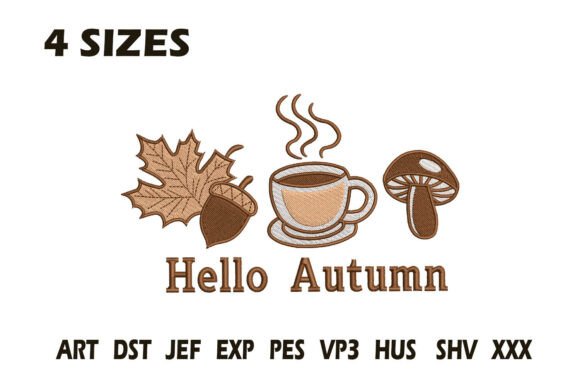
Hello Autumn Coffee Embroidery Design Review
As an experienced embroidery designer preparing for a busy weekend at the local craft fair, I spend a lot of time scrutinizing my digital assets before committing thread to fabric. The difference between a design that sits on the table and one that flies off the shelf often comes down to immediate visual impact and practical production viability. Today, I am putting the Hello Autumn Coffee Embroidery Design under the microscope. This isn't just about whether it looks cute on a screen; it is about how it performs as a craft fair product in the real world, where lighting varies, customers touch everything, and speed matters.
First Impressions and Market Mood
When I first loaded this machine embroidery design into my software, the immediate feeling was one of cozy whimsy. The title suggests a blend of seasonal warmth and daily ritual, which is a powerful combination for autumn sales. In a market saturated with generic pumpkin motifs, a coffee-themed design offers a relatable, lifestyle-oriented angle. It feels less like a rigid holiday decoration and more like a handmade product that fits into a customer's everyday life. The vibe strikes a balance between rustic farmhouse charm and modern minimalism. It is not overly dense or heavy, which suggests it will drape well on softer fabrics, a crucial factor for apparel and home textiles.
Product Versatility for the Craft Booth
The true test of any digital embroidery file is its adaptability across different blanks. For my upcoming booth, I am envisioning a cohesive display featuring tote bags, aprons, and kitchen linens. Here is how I see this design performing:
- Tote Bags and Market Bags: This is likely the strongest contender for this design. A canvas tote serves as a perfect neutral background, allowing the "Hello Autumn" message to pop. As a tote bag design, it acts as a walking advertisement for the buyer's love of fall and caffeine.
- Apron Embroidery: Positioning this on the bib of a kitchen apron creates an instant conversation starter. It transforms a utility item into a fun, seasonal statement piece perfect for holiday hosting.
- Tea Towel Embroidery: Linen or waffle-weave towels are staples in my shop. The playful nature of the design complements the texture of these fabrics, making them ideal small shop products for gift-giving.
- Patches and Pouches: If scaled down correctly, this could work beautifully as an embroidered patch ironed onto denim jackets or stitched onto small fabric pouches for holding earbuds or coins.
However, caution is needed with curved surfaces like caps. Depending on the width of the lettering and the density of any accompanying graphics, the design might distort on a structured baseball cap unless the digitizing accounts for the curve.
Production Practicality and Batch Efficiency
For an Etsy seller or boutique maker, time is money. When evaluating this design for batch production, I look at stitch flow and color changes. A design that requires constant thread trimming and re-threading slows down the entire workflow. While the description highlights a "fun, whimsical touch," I need to ensure that the stitch density is optimized for speed without sacrificing quality. If the design relies on complex fill stitches in tiny areas, it may cause puckering on lighter fabrics. Conversely, if it utilizes running stitches or satin columns effectively, it becomes a high-speed producer suitable for filling multiple orders before the fair opens.
Photography is another critical component. In the digital age, your printable mockup and actual product photos must stop the scroll. This design appears to have clear lines and good contrast potential, which translates well to images. It should photograph cleanly against neutral backgrounds, enhancing the perceived value of the finished product.
Critical Considerations for Execution
Before hooping up a dozen blanks, there are specific technical hurdles to address to ensure professional results. Not all fabrics behave the same way, and a design that looks crisp on a screen can lose clarity in thread if not managed correctly.
- Fabric Texture and Density: Thick, textured towels can swallow small details. If the "Hello Autumn" lettering is too fine, it may get lost in the weave of a heavy waffle towel. Always test on the exact blank you intend to sell.
- Thread Contrast: Autumn palettes often involve oranges, browns, and creams. Ensure your thread colors provide enough contrast against the fabric. A dark brown thread on a black tote bag will render the design invisible.
- Stabilizer Selection: The choice of stabilizer is non-negotiable. For stretchy t-shirts, a cut-away stabilizer is essential to prevent distortion over time. For woven towels, a tear-away might suffice, but only if the stitch count is low enough not to perforate the fabric excessively.
- Sizing and Clarity: If you plan to use this as a small accent on a pocket or pouch, verify that the smallest elements do not merge together. Designs often lose definition when scaled down below a certain threshold.
Maximizing Visual Appeal and Sales
The ultimate goal is buyer engagement. A design like Hello Autumn Coffee Embroidery Design works because it taps into an emotional connection—comfort, warmth, and the joy of the season. When displayed on a booth table, grouping items by color story rather than product type can create a stronger visual impact. Imagine a stack of cream-colored towels next to natural canvas totes, all featuring this design in warm rust or sage green threads. This consistency builds brand consistency and makes the display look curated and premium.
Furthermore, this design supports the narrative of commercial embroidery done with care. Customers at craft fairs are looking for quality they cannot find in big-box stores. They want to see clean backs, no loose threads, and precise alignment. By treating this embroidery file with rigorous quality control, you elevate a simple graphic into a desirable handmade treasure.
Final Designer Notes
Before listing this as a craft fair product or adding it to your online inventory, I strongly advise running a comprehensive test. Stitch it out on scrap fabric that matches your intended blanks. Check the registration of the colors and the tension of the bobbin thread. Confirm the hoop size requirements to ensure it fits your machine's capabilities without excessive re-hooping. Most importantly, review the licensing terms associated with the design assets. Ensure you have the right to sell finished goods commercially, as terms vary between designers. With proper preparation and attention to detail, this design has the potential to be a standout seller that brings both charm to your customers and profit to your business.