Foaming Beer Mug Embroidery Design Review
As an embroidery designer who has spent years digitizing and reviewing files for small business merchandise, I approach every new machine embroidery design with a critical eye. It is not just about whether the image looks cute on a screen; it is about how that digital embroidery file translates into thread on fabric, how it withstands washing, and ultimately, how it serves the brand identity of the client. Today, I am taking a close look at the Foaming Beer Mug Embroidery Design. While this asset falls under the broader Wine and beverage category, its application extends far beyond simple decoration. For boutique owners, café operators, and handmade brands, this design represents a potential cornerstone for staff uniforms, branded patches, and customer gifts.
First Impressions: Visual Personality and Brand Fit
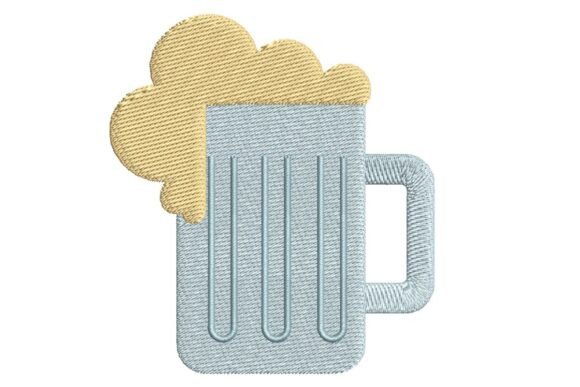
Upon loading the preview of the Foaming Beer Mug Embroidery Design, the immediate impression is one of cheerful hospitality. The stylized beer mug, overflowing with frothy foam, strikes a balance between playful and classic. The description notes a textured light grey or silver mug with prominent vertical lines, which suggests a digitizer who understands how to mimic the reflection of glass using thread. This is crucial. In the world of commercial embroidery, flat colors often look amateurish. The use of texture here indicates a finished product that feels premium rather than cheap.
For a small business owner, the "vibe" of a logo dictates its placement. This design feels rustic yet modern, making it an excellent fit for craft breweries, gastropubs, casual dining spots, or even a bakery with a pub-style seating area. It exudes a friendly, welcoming energy. However, for high-end luxury brands, the playful nature of the overflowing foam might need to be contextualized carefully within a larger brand identity system. It works best where the goal is to evoke community, relaxation, and celebration.
Real-World Business Applications
The true test of any embroidery file is its versatility across different substrates. I have evaluated how the Foaming Beer Mug Embroidery Design performs in several common small business scenarios:
- Staff Uniforms and Aprons: For a café or brewpub, this design is ideal for apron embroidery. Placed on the chest or the bib of a denim or canvas apron, the silver and white thread contrast against dark fabric creates a striking professional look. It instantly identifies staff while reinforcing the establishment's theme.
- Embroidered Patches: This is perhaps the strongest use case. The distinct outlines and bold foam details make it perfect for an embroidered patch. Businesses can order these in bulk to sew onto jackets, hats, or tote bags later, offering flexibility in inventory management.
- Cap Embroidery: A beer mug is a natural fit for headwear. Whether on a trucker hat or a structured cap, this design can serve as a central front logo or a smaller side accent. The vertical lines of the mug align well with the curvature of a cap front if sized correctly.
- Tote Bag Design: For retail shops selling merchandise, a heavy cotton tote featuring this mug adds value to the small business merch lineup. It transforms a simple bag into a statement piece that customers are proud to carry.
- Event Merchandise: For local festivals or taproom takeovers, this design works beautifully on polo shirts or hoodies as a commemorative item.
Technical Considerations and Production Challenges
While the aesthetic appeal is high, a professional reviewer must address the technical hurdles. The description mentions "prominent vertical lines" and "textured" elements. In embroidery, texture often equals stitch density. High density can lead to puckering, especially on lightweight fabrics like poly-cotton blends used in many work shirts.
When planning production, consider the following constraints:
- Small Patch Sizes: If you intend to shrink this design for a small lapel patch (under 2 inches), the fine details of the foam and the vertical glass lines may merge. Thread has a physical thickness; too many details in a small space result in a muddy, unreadable blob. Always request a test run at your intended minimum size.
- Curved Surfaces: On caps, the vertical lines of the mug must be aligned perfectly with the center seam. Any deviation will look like a distortion. The hoop size capabilities of your machine must match the design dimensions without requiring excessive re-hooping, which introduces registration errors.
- Fabric Texture: The silver or light grey threads described may get lost on heather grey or light-colored fabrics. This design demands high contrast. It will pop on navy, black, or forest green, but might vanish on beige or light blue. Always check thread colors against your specific blank garments.
- Wash Durability: Items like aprons and work shirts undergo frequent industrial washing. Dense satin stitches for the foam need proper underlay to prevent looping or snagging over time. Ensure the stabilizer choice matches the fabric weight; a cut-away stabilizer is likely necessary for long-term durability on stretchy knits.
Impact on Brand Identity and Customer Trust
In the competitive landscape of handmade products and local retail, visual consistency is king. Using a cohesive design assets library builds recognition. The Foaming Beer Mug Embroidery Design contributes to a narrative of quality and attention to detail. When a customer sees a neatly embroidered mug on a tote bag or a server's apron, it signals that the business cares about presentation. This perceived value allows businesses to charge a premium for their custom apparel and merchandise.
Furthermore, embroidery carries a tactile weight that printed graphics lack. It suggests permanence and tradition. For an Etsy seller or a craft studio, offering items with this level of embellishment elevates the handmade product from a commodity to a keepsake. It fosters buyer engagement because the item feels substantial and well-made.
Designer Notes for Successful Implementation
Before committing to a large production run, I strongly advise following these practical steps to ensure the Foaming Beer Mug Embroidery Design meets your standards:
- Test in Black and White: Before approving color threads, stitch the design out in monochrome. This reveals the true structure and density of the stitching without the distraction of color. If it doesn't read well in black and white, the digitizing may be flawed.
- Verify Commercial Licensing: Never assume a file is free for commercial use. Confirm the license terms explicitly before selling items featuring this design.
- Create a Printable Mockup: Use a printable mockup to show clients how the design will look on their specific garment color before a single stitch is made. This manages expectations and reduces waste.
- Check Spacing and Registration: Inspect the spacing between the foam and the mug rim. In embroidery, gaps can close up due to thread pull. Ensure there is enough clearance to maintain the definition of the "overflowing" effect.
- Review File Specifications: Since exact stitch counts and formats were not provided in the initial description, verify that the file format matches your machine (PES, DST, EXP, etc.) and that the dimensions fit your intended hoop.
In conclusion, the Foaming Beer Mug Embroidery Design is a robust asset for businesses looking to inject personality into their branding. With its classic glass texture and lively foam, it bridges the gap between traditional pub culture and modern boutique aesthetics. However, its success relies entirely on thoughtful execution. By respecting the limitations of thread density, choosing the right fabrics, and rigorously testing the output, small business owners can transform this digital file into a powerful tool for brand growth and customer connection.