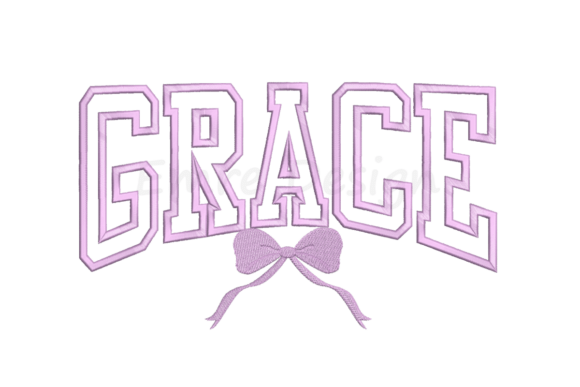
Coquette Grace Embroidery Design Review for Business
As an embroidery designer who has spent years digitizing and reviewing files for commercial use, I approach every new machine embroidery design with a critical eye. It is not just about whether a pattern looks cute on a screen; it is about how that digital embroidery file translates into a tangible asset for a small business. Today, I am reviewing the Coquette Grace Embroidery Design, a piece categorized under Religion but possessing a whimsical charm that transcends a single niche. For boutique owners, café operators, and handmade brands, this design offers a unique opportunity to blend faith-based messaging with the trendy "coquette" aesthetic that is currently dominating social media and fashion.
First Impressions: Balancing Whimsy and Professionalism
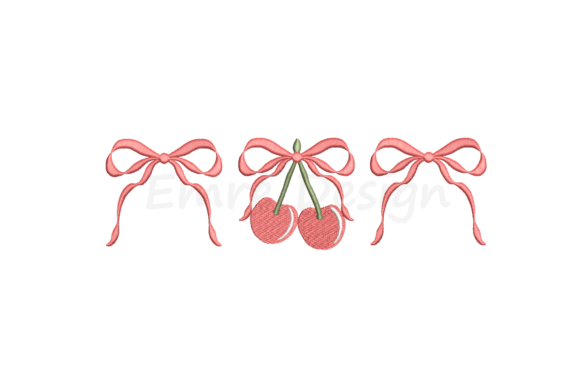
Upon loading the preview of the Coquette Grace Embroidery Design, the immediate impression is one of softness and approachability. The description promises a "fun and whimsical touch," and visually, the design delivers on this by likely incorporating delicate bows, flowing script, or floral accents typical of the coquette style. For a business owner, this is crucial. In the current market, customers are drawn to brands that feel personal and handmade rather than corporate and sterile. This design feels elegant yet playful, making it an excellent candidate for businesses that want to project warmth without sacrificing style.
However, from a professional standpoint, "whimsical" can sometimes be a code word for "difficult to stitch." My initial assessment focuses on whether the decorative elements compromise the structural integrity of the stitch-out. A design intended for small business merch must withstand the rigors of daily wear, washing, and handling. The Coquette Grace Embroidery Design appears to strike a balance, offering personality while maintaining the clean lines necessary for a premium look.
Real-World Applications for Branded Merchandise
The true test of any embroidery file is its versatility in a commercial setting. Let us imagine a local bakery or a florist shop looking to upgrade their staff uniforms or create limited-edition merchandise. Here is how the Coquette Grace Embroidery Design fits into various real-world scenarios:
- Staff Uniforms and Aprons: For a boutique café or a creative studio, adding this design to the corner of an apron creates an instant brand marker. It elevates a standard uniform into a piece of custom apparel that employees feel proud to wear. The religious undertone adds a layer of values-based branding, suggesting grace and care in service.
- Embroidered Patches: This is perhaps the strongest use case. By stitching this design onto a twill or felt background, you create a removable embroided patch. These can be sold as add-ons, included in gift bags, or sewn onto denim jackets and tote bags. Patches allow for high perceived value with low production risk.
- Tote Bags and Packaging: Canvas tote bags are a staple for retail shops. Placing the Coquette Grace Embroidery Design centrally on a tote transforms a simple bag into a walking billboard for your brand. It works exceptionally well as a tote bag design because the whimsical nature complements the casual utility of canvas.
- Cap Embroidery: While possible, this requires caution. If the design includes wide elements, it may need to be adapted for the curved front of a baseball cap. However, for a dad hat or unstructured cap, it could serve as a charming focal point.
Technical Considerations and Production Challenges
While the aesthetic appeal is high, we must address the technical realities of production. When integrating the Coquette Grace Embroidery Design into your workflow, there are specific areas where attention to detail is non-negotiable.
Stitch Density and Fabric Texture: Whimsical designs often rely on fine details. If the stitch density is too high, the design may become stiff and pucker, especially on lighter fabrics like linen or cotton blends common in aprons and totes. Conversely, if the density is too low on a textured fabric, the material might show through, ruining the visual consistency. I strongly recommend testing this design on the exact fabric texture you intend to use before committing to a large run.
Size Limitations: One of the most common mistakes in commercial embroidery is scaling a design down too far. The intricate details that make the "coquette" style charming can disappear or turn into a muddy blob if reduced to a tiny chest logo or a small sleeve detail. For cap embroidery or small patches, ensure the design retains its clarity. If the original file does not specify a minimum size, create a printable mockup at 100% scale to verify legibility.
Thread Colors and Contrast: The success of this design heavily relies on thread colors. On dark uniforms, you will need high-contrast threads to ensure the "grace" message pops. However, be wary of using too many color changes, which can increase production time and cost. Simplifying the color palette while maintaining the design's spirit is often key for efficient small business merch production.
Impact on Brand Identity and Customer Trust
Incorporating the Coquette Grace Embroidery Design into your product line does more than just decorate an item; it shapes your brand identity. For faith-based businesses or those wanting to project a gentle, welcoming atmosphere, this design acts as a visual shorthand for your values. It signals to the customer that your brand cares about aesthetics, quality, and perhaps a spiritual dimension.
Consistency is vital. If you use this design across your design assets—from hang tags to employee shirts—it creates a cohesive visual language. This professionalism builds trust. Customers are more likely to engage with a handmade product that looks polished and intentional. The "finished product" featuring this embroidery tells a story of care and craftsmanship, which can justify a higher price point and foster deeper buyer engagement.
Professional Designer Notes for Implementation
Before you launch this design into production, adhere to these practical steps to ensure the highest quality results:
- Test in Black and White: Always stitch a sample in monochrome first. This reveals issues with spacing and density that color might hide.
- Verify Hoop Size: Confirm the required hoop size matches your machine's capabilities. Do not attempt to force a design into a smaller hoop than recommended.
- Use Proper Stabilizer: Given the likely delicate nature of the design, using the correct stabilizer is critical to prevent puckering and ensure longevity after washing.
- Check Commercial Licensing: Since this is for business use, explicitly confirm the license terms. Ensure the digital embroidery file allows for unlimited physical sales or if there are restrictions on the number of finished items.
- Create Client Mockups: Before stitching on expensive inventory, generate a digital or physical mockup for client approval to manage expectations regarding size and placement.
The Coquette Grace Embroidery Design represents a fantastic intersection of trend and tradition. For the savvy entrepreneur, it is not just a pretty picture; it is a versatile tool for branding. Whether used on a baker's apron, a florist's tote, or a boutique's patch collection, it brings a distinct personality to any item. Just remember to respect the technical limitations of embroidery, test thoroughly, and let the charm of the design enhance, not overwhelm, your brand's message.